Registering at an online casino usually starts with something simple: an email address.
That may not sound important. But the email address connected to a casino account can affect security, privacy, support access, bonus messages, document requests, password resets, and complaint records.
A separate casino email address can still be useful. The old advice was often: create a new email so casino promotions do not mix with your everyday inbox. That is still partly true, but it is no longer the whole story.
Today, the bigger issue is account security.
A casino account may contain personal details, payment information, verification documents, gambling history, and withdrawal records. If someone gets access to the email address connected to that account, they may also be able to reset passwords, intercept support messages, or cause problems with withdrawals.
So the better question is not only, “Which email should I use?”
It is: “How do I protect the account behind that email?”
Should You Use a Separate Email for Casino Accounts?
Using a separate email address for online casino accounts can be sensible.
It keeps gambling-related messages away from your main inbox. It makes casino communication easier to find. It can also reduce the chance of missing important account messages among everyday emails.
A dedicated email address can be especially useful for:
- account verification messages
- withdrawal updates
- bonus confirmations
- support replies
- complaint records
- responsible gambling confirmations
- password reset notices
- changes to terms or account status
That does not mean you need a strange or secret email address. It simply means the address should be easy for you to manage and secure.
Do not use a work email address. Do not use an address you rarely check. Do not use an old inbox with a weak password that you created years ago and forgot about.
The email account should be active, private, and protected.
Use a Strong, Unique Password
The email account connected to your casino account should have a strong, unique password.
Unique is the important word.
Do not reuse the same password across your email, casino account, e-wallet, bank account, crypto wallet, social media, or shopping accounts. If one service is breached, reused passwords can become a problem everywhere else.
A password manager can help because it lets you create long, random passwords without memorizing each one.
The casino account itself should also have its own unique password. A strong email password is not enough if the casino login uses something weak or reused.
A simple habit helps: one account, one password.
Turn On Two-Factor Authentication Where Possible
Two-factor authentication, often called 2FA, adds an extra step when logging in.
This may involve an authenticator app, security key, one-time code, or another second factor. If someone gets your password, 2FA can make it harder for them to access the account.
Use 2FA on the email account if available. If the casino offers 2FA, consider using it there too.
Authenticator apps are usually better than relying only on SMS codes, because phone numbers can be targeted through SIM-swap scams or account recovery tricks. But any additional protection is usually better than no second factor at all.
This matters because casino accounts are connected to money, identity documents, and payment methods. They deserve better security than a throwaway login.
Be Careful With Password Reset Emails
Password reset emails are powerful.
If someone can access your email inbox, they may be able to reset your casino password. That is why the email account is often the real key to the casino account.
Treat password reset messages carefully.
If you receive a reset email that you did not request, do not ignore it. Log in directly through the official casino website, not through links in the email, and check whether your account looks normal. Then change passwords if needed.
Also check whether the email account itself has been accessed from an unfamiliar device or location.
A password reset email can be a mistake. It can also be an early warning.
Watch for Phishing Emails
Casino players may receive promotional emails, bonus offers, verification requests, and support messages. That makes phishing a real risk.
A phishing email is designed to look like a real message from a casino, payment provider, regulator, or complaint service. It may ask you to click a link, log in, upload documents, confirm payment details, or claim an urgent bonus.
Do not trust an email only because it uses a logo or looks polished.
Before clicking, check:
- the sender address
- the domain name
- spelling differences in the URL
- whether the message creates false urgency
- whether it asks for unusual information
- whether the offer appears inside your casino account
- whether support can confirm the request through the official site
If in doubt, open the casino website manually in your browser and log in from there. Do not use the email link.
A real casino should not need you to send sensitive documents through strange links or unofficial contacts.
Keep Casino Promotions Under Control
Casino emails can become noisy.
Promotions, free spins, reload bonuses, VIP offers, tournaments, cashback offers, and reactivation messages can fill an inbox quickly. A separate casino email helps keep that material away from your everyday life.
But there is also a responsible gambling angle.
If promotional emails make you gamble more often than planned, unsubscribe where possible or change your communication preferences in the casino account. Some players may also need stronger tools, such as cooling-off periods or self-exclusion.
A bonus email should not decide when you gamble.
You should.
Do Not Hide Gambling From Yourself
A separate casino email can be useful for organization and privacy. It should not become a way to hide gambling from yourself.
If the separate inbox means you never look at deposits, losses, bonuses, or withdrawal problems, then it is not helping. It is only making the activity easier to ignore.
The email account should make gambling records clearer, not invisible.
Check it regularly. Keep important messages. Save withdrawal confirmations. Keep verification requests. Store complaint-related emails if something goes wrong.
The goal is control, not secrecy.
Use the Same Details Consistently
When registering, use accurate details.
Your name, date of birth, address, and payment details should match the documents and payment methods you may later use for verification. Do not register with nicknames, false names, someone else’s details, or an email address controlled by another person.
This can create serious problems later.
A casino may allow deposits before full verification, but withdrawals can still be delayed if account details do not match documents or payment ownership.
Use your own email address, your own payment method, and your real information.
It is boring advice, but it prevents many avoidable disputes.
Think Before Uploading Documents
Many casinos ask for verification documents at some point.
This may include identity documents, proof of address, payment method proof, or source-of-funds information. That does not automatically mean something is wrong. Verification is normal in regulated gambling.
But document handling still deserves care. The guide to online casino verification explains who may request identity, address, payment-ownership or source-of-funds evidence and why. A wider casino safety check should establish who is collecting the information and why.
Upload documents only through the official casino account area or another verified secure channel. Be cautious if someone contacts you through social media, messaging apps, or an unfamiliar email address asking for documents.
If you are unsure, contact the casino through the official website and ask how documents should be submitted.
Never send documents to a random address because an email told you to hurry.
Keep Important Account Emails
Some casino emails are worth keeping.
These include:
- registration confirmation
- bonus opt-in confirmation
- deposit confirmation
- withdrawal confirmation
- verification requests
- verification approval
- support replies
- complaint messages
- responsible gambling limit confirmations
- account closure or self-exclusion confirmations
You do not need to save every marketing email forever. But important account emails can become useful if a withdrawal is delayed, a bonus dispute happens, or support later gives inconsistent answers.
A clean email archive is better than scattered screenshots taken after the problem begins.
What If You Lose Access to the Email?
If you lose access to the email address connected to a casino account, contact the casino through official support as soon as possible. If the email still works but the casino account does not, first establish whether the account is restricted or closed and what that means for any funds or records.
Do not create duplicate casino accounts to solve the problem. Duplicate accounts can violate terms and make withdrawals more difficult.
Be prepared to verify your identity before the casino changes the email address on the account. This may feel inconvenient, but it protects the account from being taken over by someone else.
If your email account was hacked, change passwords on connected accounts as well. That may include the casino, e-wallets, payment providers, and any other services using the same email.
The Sensible Way to Register More Safely
A separate casino email address can still be a good idea, but it is only one part of account security.
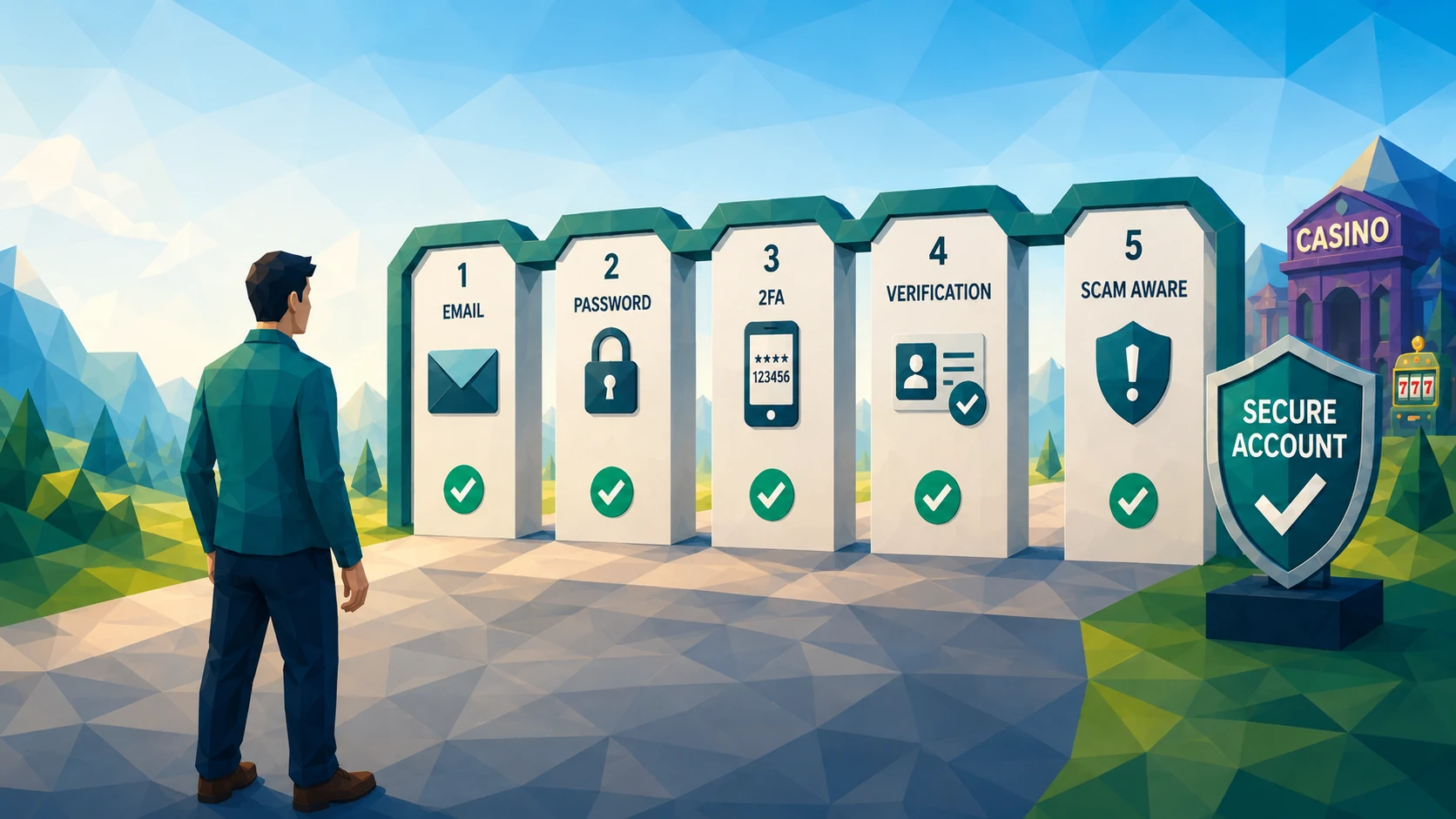
Use an email address you control. Protect it with a strong unique password. Turn on two-factor authentication where possible. Avoid work emails and old throwaway accounts. Be cautious with phishing messages. Keep important account records. Use accurate registration details. Upload documents only through official channels.
The email address is not just a place where casino promotions arrive. It is part of the security system around your account. Treat it that way before you deposit, but remember that account security does not establish whether the operator is legal for your location.